
Devices & Gadgets
Elevate Your Sanctuary: The Ultimate Home Wellness Fusion
January 2, 2026



Curious about electrical zappers? Our expert team explains the theories behind Hulda Clark and Bob Beck protocols, their differences, and how Samarit's All-in-One Zapper is designed for safe home use.
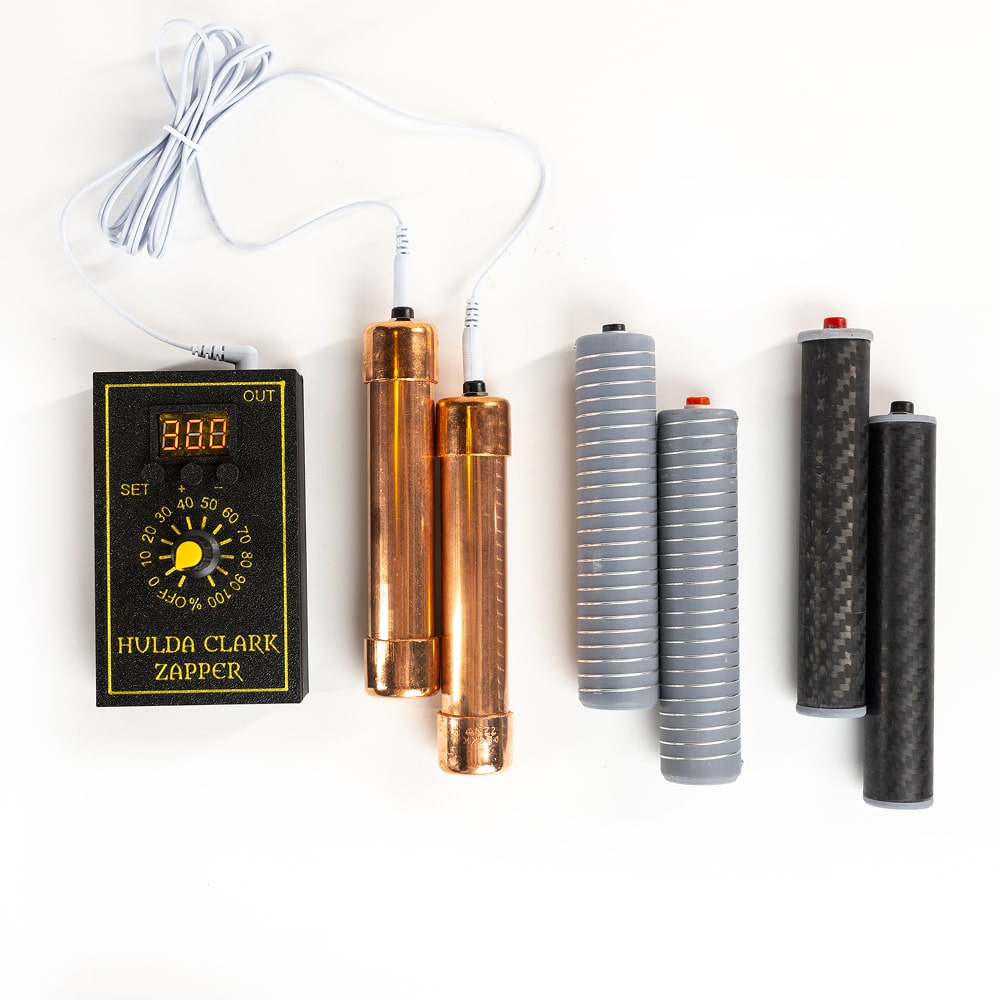
The use of mild electrical currents for wellness purposes has a complex and fascinating history. Two of the most well-known figures in this niche are Hulda Clark and Bob Beck, each developing distinct protocols that continue to be used today. At Samarit, we recognize the significant interest in these technologies and have developed our Hulda Clarck’s Protocol and Bob Beck Blood Purifier to meet exacting specifications. It is crucial to approach this topic with clarity and responsibility. This article aims to objectively explain the underlying theories of both the Clark and Beck protocols, highlight the key differences, and detail how our devices are engineered for consistency and safety, empowering you with knowledge rather than promises.
Dr. Hulda Clark, a naturopath and author, theorized that many health challenges could be linked to parasites and pathogens operating at specific frequencies. Her "zapper" was designed to deliver a positive offset square wave current at a frequency she believed could neutralize these organisms. The original protocol involved a specific cycle: 7 minutes on, 20 minutes off, and 7 minutes on again to capture pathogens in different life stages. Our Hulda Clarck’s Protocol is programmed to adhere to this precise timing and waveform, providing a tool for those who wish to explore this method as she outlined it.
Physicist Bob Beck, D.Sc., developed a different approach based on his reading of peer-reviewed research. His protocol centered on the idea that a very low-intensity electrical current (typically 50-100 microamperes) could temporarily affect the viability of pathogens in the bloodstream. The Bob Beck Blood Purifier (often used on the wrist) is designed to deliver this specific, low-current signal. It's important to understand that Beck's protocol was a system, also including colloidal silver and ozonated water, reflecting his holistic view of the challenge.
The fundamental difference lies in their target and method:
Choosing between them depends on which theoretical model you wish to explore.
Our team cannot and does not make medical claims. We provide well-built tools for research and educational use. Our zappers feature automatic shut-offs, precise current regulation, and clear instructions to ensure they are used as intended. We encourage anyone interested in these technologies to conduct their own research from a wide variety of sources, including critical ones, to form a balanced view.
For a scientific perspective on the effects of electricity on biological systems, resources from the National Institute of Standards and Technology (NIST) in the USA provide foundational data on bioelectricity and electrical safety, which can inform a deeper understanding of the principles involved.